What is the origin of the gathered seam in moccasins?

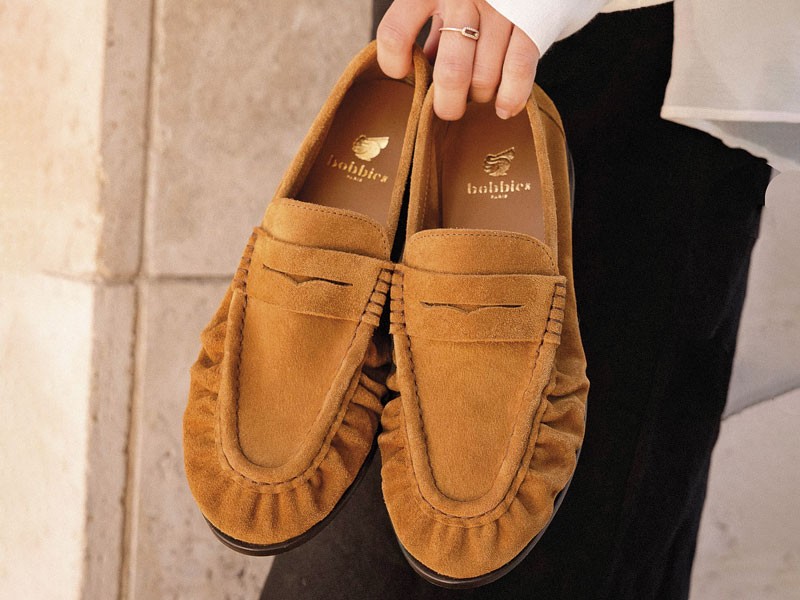
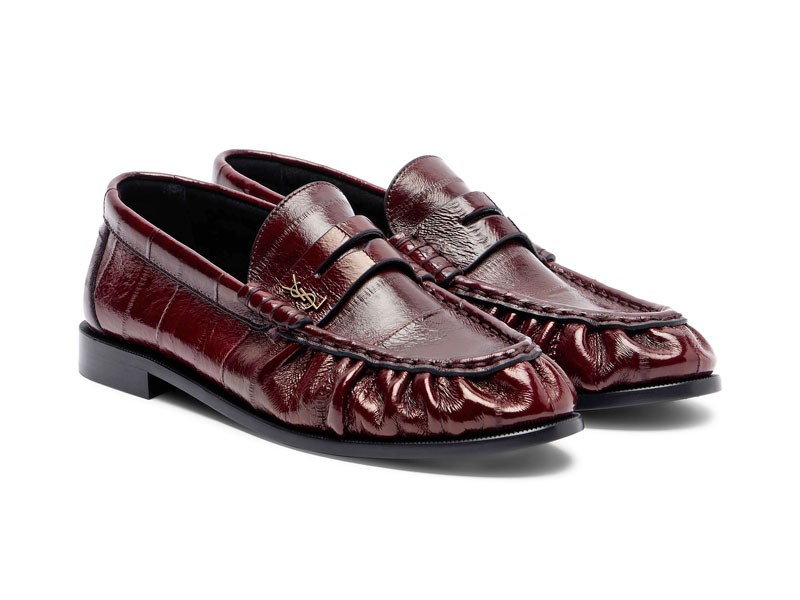
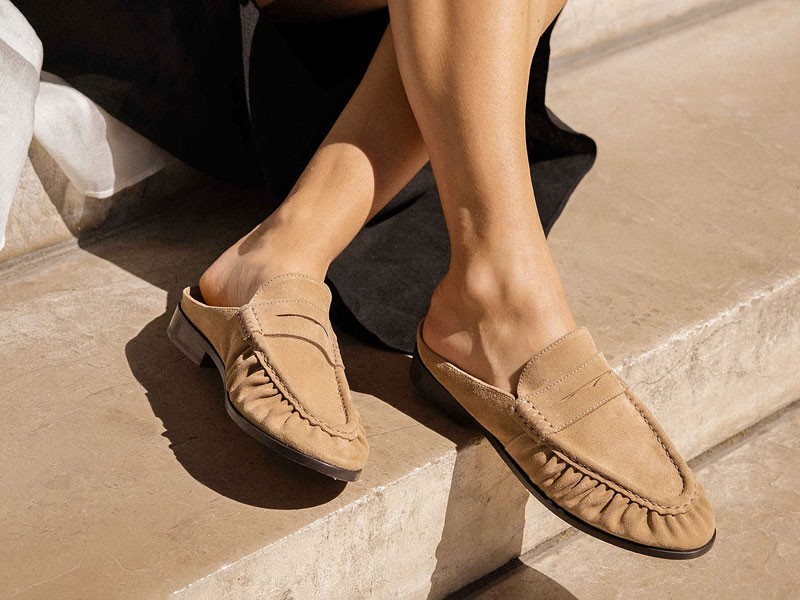
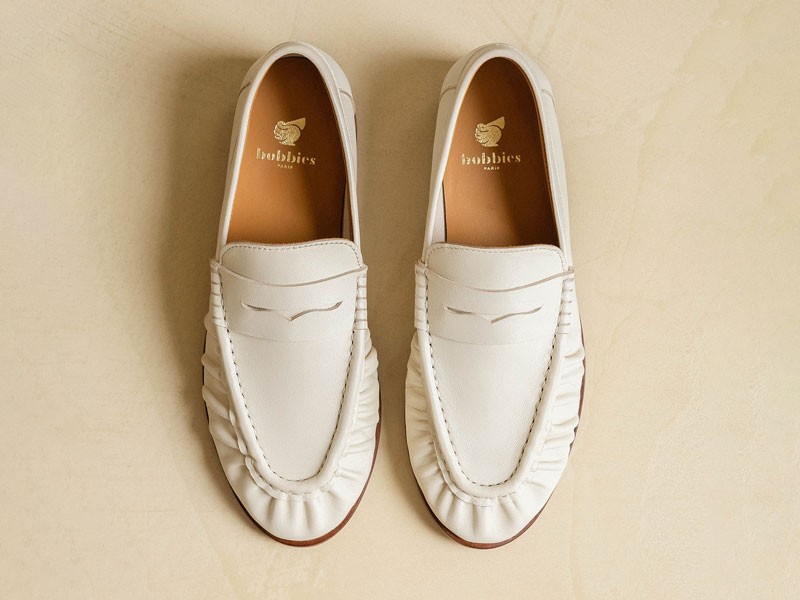
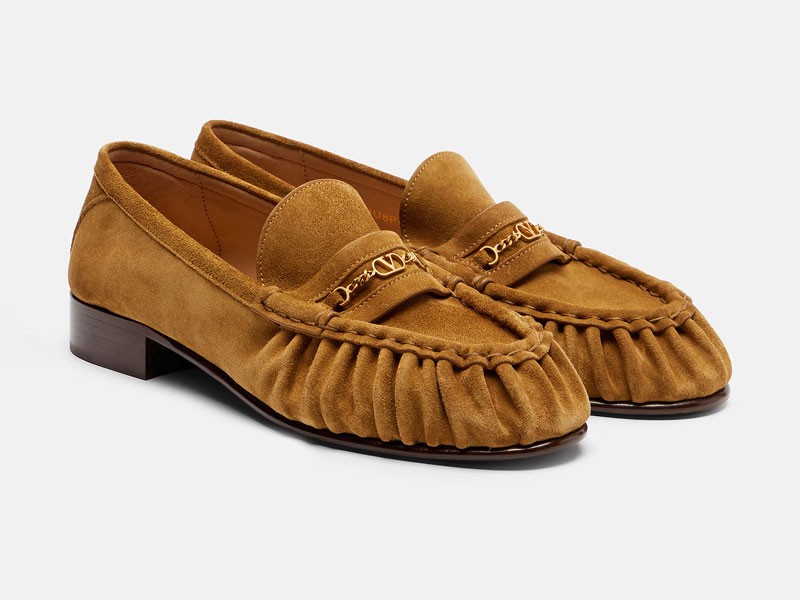
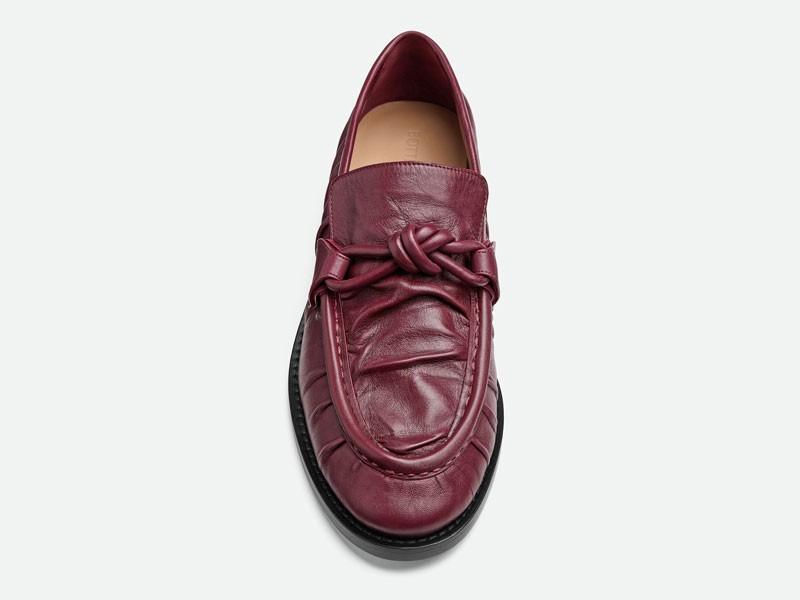
The origin of moccasins with that characteristic gathered seam (often technically referred to as an apron-toe seam in English, or “froncé” in French) where the leather of the vamp joins the side piece, subtly gathering beneath the seam, is a fascinating combination of native North American footwear, industrial evolution and European design.
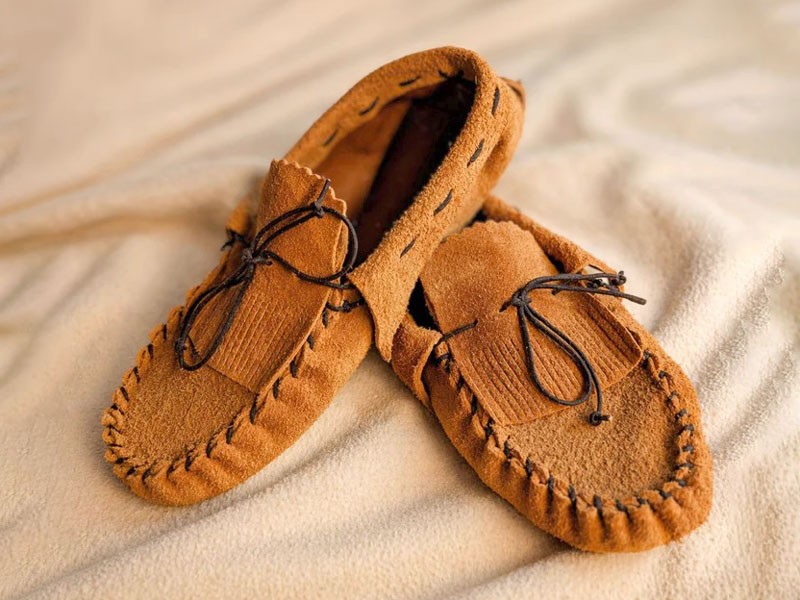
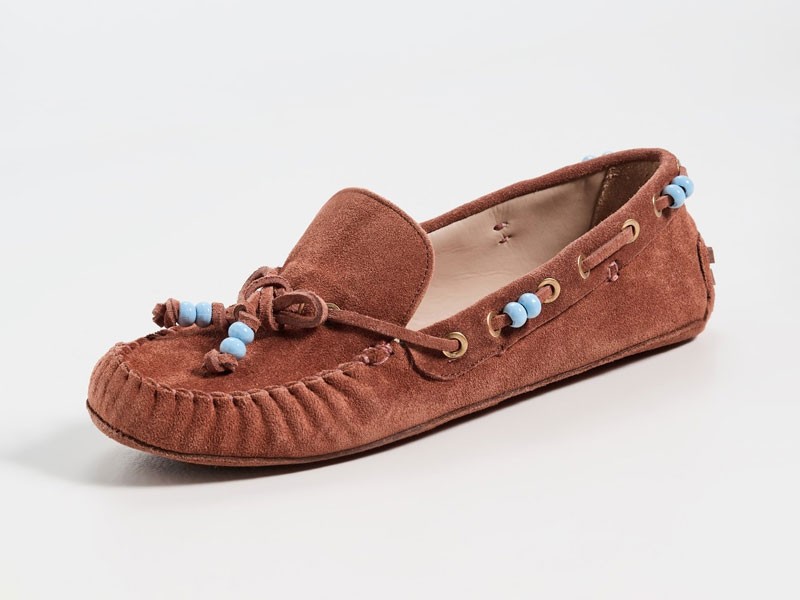
The word “moccasin” comes from makasin, a term from the Algonquian languages spoken by native North American tribes. The original footwear consisted of a single piece of soft reindeer or deer leather that wrapped around the foot from underneath and along the sides, and was joined at the top with a second U-shaped piece of leather: the vamp or upper.
To adapt the flat leather to the three-dimensional, curved shape of the foot, nativr artisans had to gather the leather by hand while sewing it. That gathering beneath the main seam was not decorative: it was the technical solution that made it possible to give volume to the toe-cap area without cutting the leather into multiple pieces.
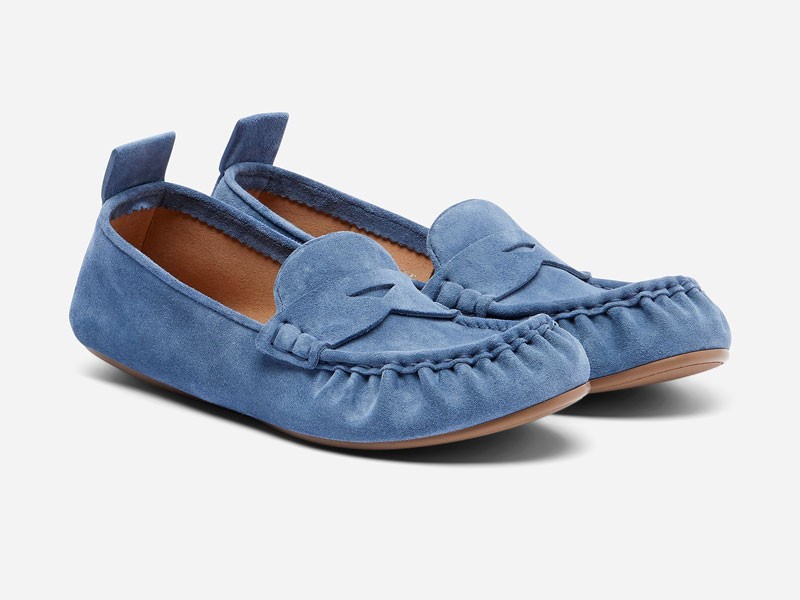
As the moccasin moved from artisanal to industrial production, the gathering beneath the seam became a mark of identity and technical sophistication.
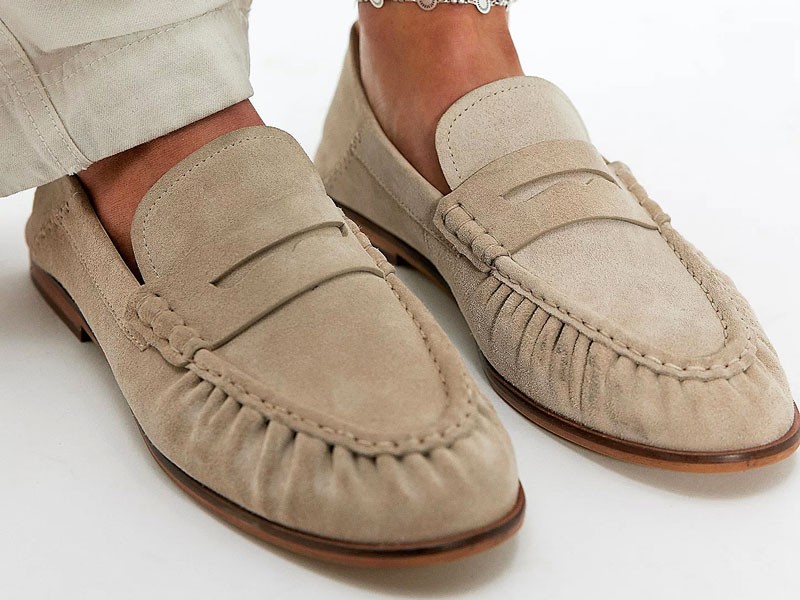
It was the artisans of northern Italy (in regions such as Tuscany and Vigevano), who perfected this seam during the postwar period. They transformed what had once been a rough gathering into an elegant, precise and symmetrical relief, associating the gathered-seam moccasin with relaxed luxury style (casual chic).
RELATED ARTICLE:
- Voluminous moccasins: PRADA's challenge for Winter
Participate with your content in SERMA.NET and in our printed edition.
It is the opportunity to reach your customers!
Write us! marketing@serma.net