Footwear fastenings: laces or hook-and-loop closures?

The choice between hook-and-loop closures (Velcro) and laces depends mainly on the type of footwear, the activity to be performed and the specific needs of the user. Both have clear advantages that make them ideal for certain contexts.
Below is an analysis of which types of fastenings are advisable in each case:
A. LACES: Fit, stability and tradition
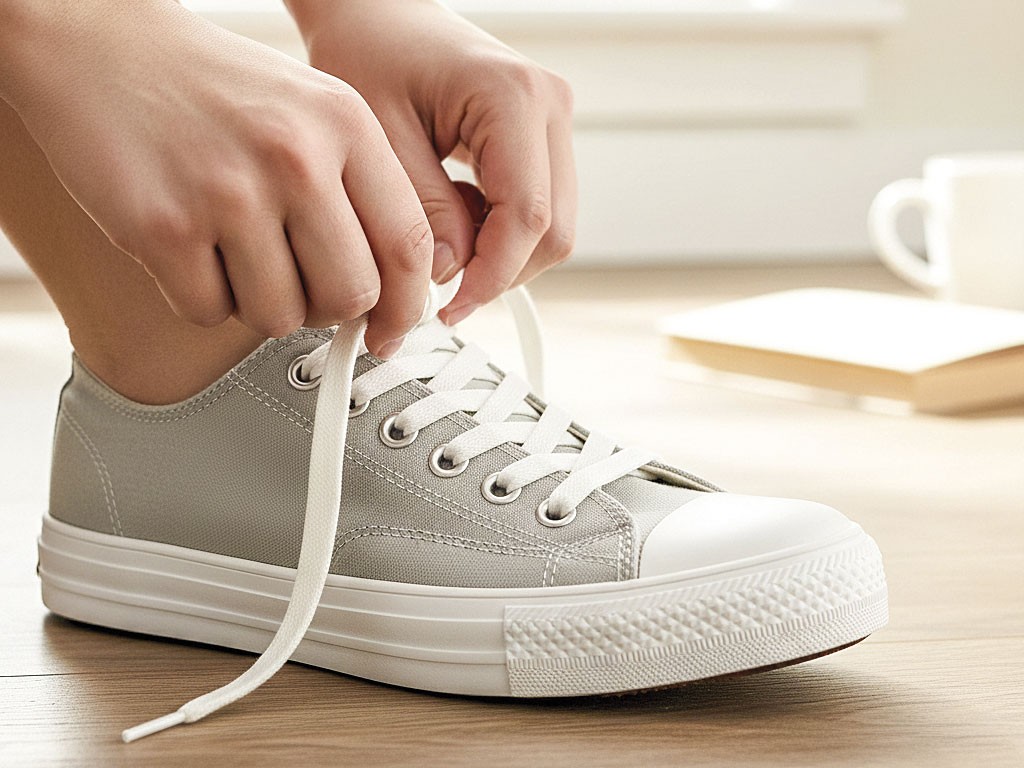
Laces are the traditional fastening system and are recommended for any footwear where precision and firm support are priorities.
Footwear suitable for laces:
1. Performance sports footwear (running, training, basketball, tennis, football):
They allow personalized adjustment and zone-by-zone tension (even distribution of pressure), which is crucial for lateral stability, preventing the foot from slipping and avoiding injuries during fast, high-impact movements.
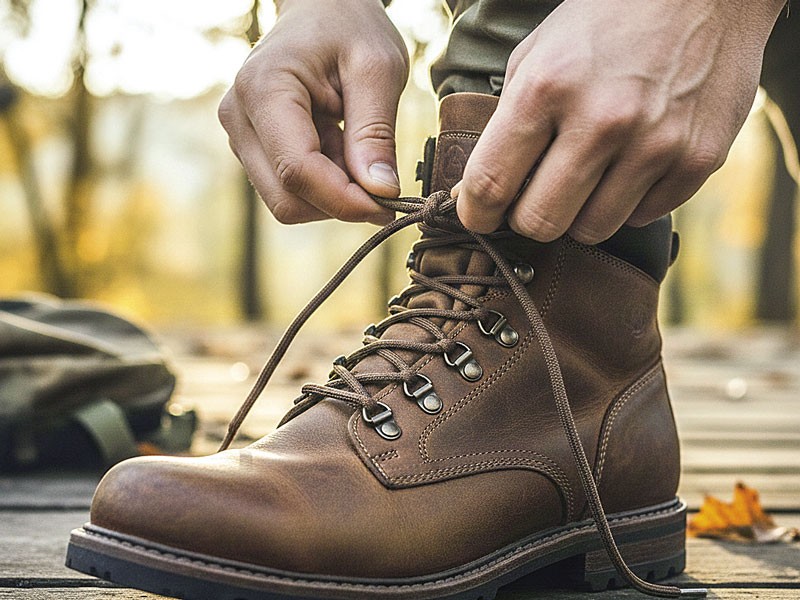
2. Mountain, hiking and work boots
They provide maximum support for the ankle and boot shaft. They are more durable under tension and adverse conditions (mud, moisture), and are less likely to loosen than Velcro with constant use and movement.
3. Formal and dress shoes (Oxford, Derby, Brogue)
For reasons of aesthetics and tradition. Laces (especially thin, waxed ones) complement the elegant and formal design of the shoe.
4. Specific orthopedic footwear (high level of support)
They allow meticulous pressure control to accommodate insoles or to fit feet with deformities or swelling, achieving a more secure fit than Velcro.
Key advantages of laces
Hook-and-loop closures are ideal for any footwear where speed, autonomy and ease of use are essential.
Footwear suitable for Velcro:
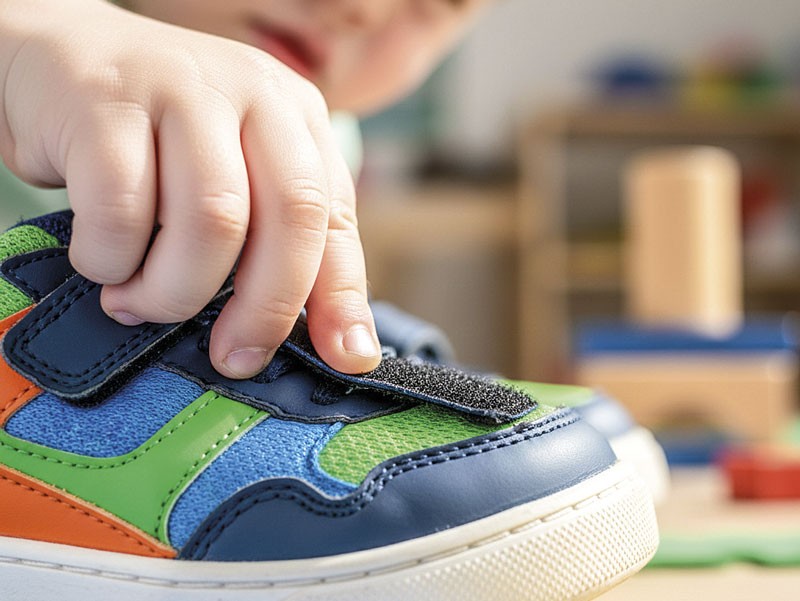
1. Children’s footwear (2 to 5 years):
It encourages autonomy (they can put on and take off their shoes by themselves) and safety (eliminates the risk of tripping over untied laces). It is convenient for nurseries and preschool.
2. Footwear for older adults and people with reduced mobility:
It is the best option for users with limited dexterity or mobility issues (arthritis, back or hip pain) that make it difficult to bend down or handle small knots.
3. Climbing shoes:
The ability to take shoes off and put them on quickly between attempts or climbs is a key functional advantage for resting the foot.
4. Everyday or health footwear (post-operative, simple orthopedic):
Allows quick adjustment throughout the day if the foot tends to swell. Provides the necessary room for wide feet or high insteps.
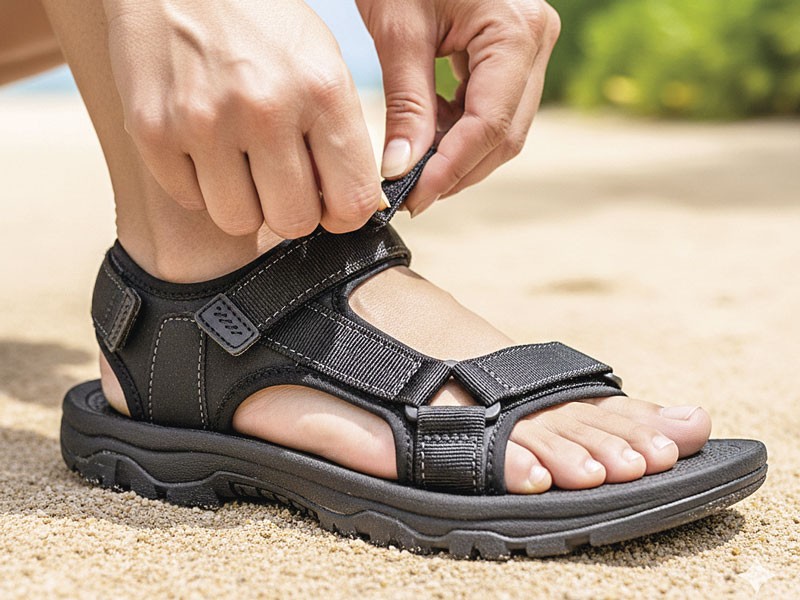
5. Sport sandals and water shoes:
They remain functional even when wet, and the opening system is instantaneous.
Key advantages of Velcro