Why was the Mercosur–European Union agreement put on hold?

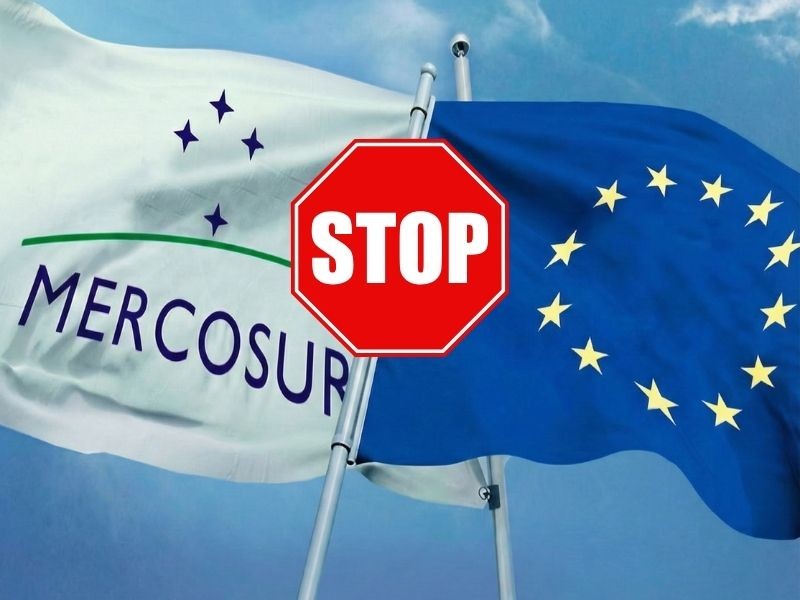
Just days after the agreement was signed in Paraguay by regional bloc authorities, with the presence of European Commission President Ursula von der Leyen, European authorities decided to halt the process pending a judicial ruling.
This decision implies a temporary suspension of the ratification process, although it does not rule out the possible provisional application of the agreement, which remains under review by the European Commission.
As regards the manufacturing sector within Mercosur, the footwear industries of Brazil and Argentina had welcomed the agreement, due to the range of benefits expected from its implementation over the coming years.
The last-minute reversal was mainly driven by the lack of consensus within the European Council, led primarily by opposition from France and Italy. Both countries, under strong pressure from their agricultural sectors, demanded stricter safeguard measures to protect local producers from South American competition.
The three key factors behind the delay:
This new impasse leaves the treaty in a legal and political limbo, eroding the credibility of the negotiations after more than 25 years of attempts.
RELATED ARTICLE:
- Call for ratification of Mercosur-EU Agreement